
In light of the powerful 8.8-magnitude earthquake that struck Russia’s Kamchatka Peninsula this week — one of the strongest ever recorded — and the tsunami waves now reaching parts of Japan and the US West Coast, concerns are understandably rising. Millions have been evacuated in Japan, with tsunami waves already reaching northern Iwate, while coastal regions in Hawaii and California have also been placed on high alert.
These seismic tremors may feel distant, but they serve as a stark reminder: Mauritius, while not a high-risk earthquake zone, is not immune to the aftershocks of underwater quakes. Our island’s location in the Indian Ocean makes us vulnerable to tsunamis triggered by seismic events happening thousands of kilometers away, as history showed us with the devastating Indian Ocean tsunami in 2004.
So, what does this mean for those of us living in or visiting Mauritius? How real is the risk, and what steps can we take to stay safe, aware, and prepared? This article explores the current realities, risk factors, safety tips, and resources — including helpline numbers and government advisories — to help keep you informed and protected.
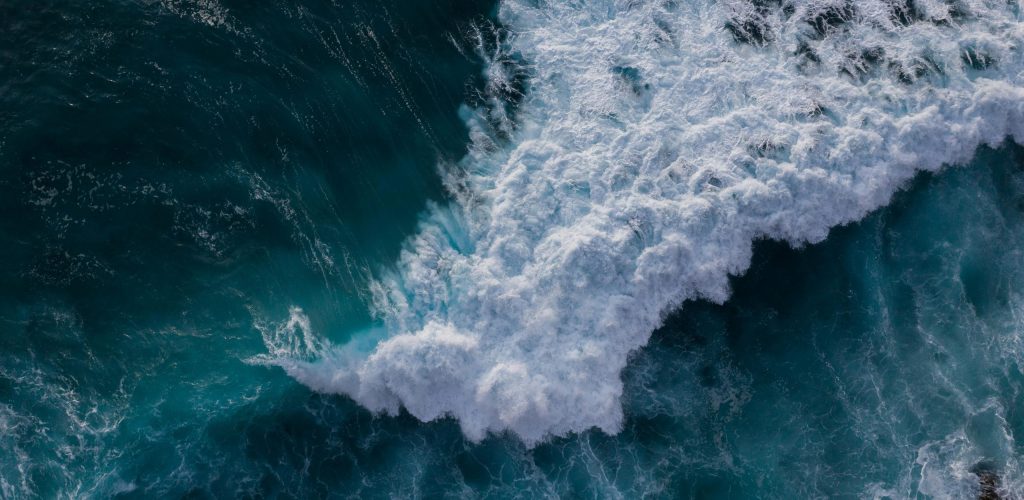
Photo by Mikhail Nilov via pexels
Tsunamis in Mauritius: What You Need to Know to Stay Safe
What Is a Tsunami and How Does It Happen?
A tsunami isn’t just one giant wave—it’s a powerful sequence of waves that can silently race across the deep ocean at speeds exceeding 800 km/h. In open waters, these waves often pass unnoticed by ships and satellites alike. But their true ferocity is revealed when they reach shallower coastal zones. As the ocean floor rises, the tsunami’s energy compresses, pushing the waves upward and outward with immense force. When this energy collides with the shoreline—especially in low-lying areas—it can cause catastrophic damage, sweeping inland with terrifying speed and power.
Tsunamis are most commonly triggered by undersea earthquakes, particularly those that shift the seabed vertically. However, underwater volcanic eruptions, massive landslides, or even the rare impact of a meteorite can also set this chain reaction in motion. What makes tsunamis especially dangerous is their far-reaching potential; waves generated in one part of the world can travel thousands of kilometers, arriving on distant shores hours after the initial disturbance.
Is Mauritius at Risk of a Tsunami?
Yes — although rare, Mauritius can be affected by tsunamis generated by earthquakes in nearby tectonic zones, especially around the Sunda Trench (Indonesia), the Carlsberg Ridge, or even the African coast.
In 2004, Mauritius experienced minor wave activity from the massive Indian Ocean tsunami.
In 2012, authorities issued precautionary alerts after seismic activity near Sumatra.
While Mauritius doesn’t sit on an active fault line, secondary exposure is real.
According to global hazard assessments, Mauritius has a “medium” tsunami risk, meaning there’s a more than 10% chance of a potentially damaging tsunami in the next 50 years.

What To Do in Case of a Tsunami Alert in Mauritius
Mauritius Meteorological Services (MMS) and the National Disaster Risk Reduction and Management Centre (NDRRMC) coordinate tsunami alerts locally.
Safety Measures:
1. Evacuate to Higher Ground Immediately
If a Tsunami Warning is issued by authorities, do not wait. Leave low-lying coastal areas without delay. Head to elevated terrain or pre-identified safe zones. Remember: tsunamis travel fast and strike with little visible warning. Never underestimate the first alert.
2. Stay Away from the Coast
Curiosity can kill. Do not head to beaches, cliffs, or lagoons to watch the waves or take pictures. Tsunamis often come in multiple surges — the first wave may not be the biggest or most destructive. Always follow official instructions and stay inland until an all-clear is officially declared.
3. Stay Informed Through Reliable Sources
Tune in to:
SMS Alerts from the National Disaster Risk Reduction and Management Centre (NDRRMC)
Never rely solely on social media or hearsay. False information can lead to panic or dangerous decisions. Use battery-powered radios in case of power cuts.
4. Keep a Ready-to-Go Emergency Bag
Prepare a “Go-Bag” with:
Bottled water (at least 1L per person)
ID documents (in a waterproof pouch)
Phone + charger/power bank
Basic first aid + prescribed medication
Snacks or dry food
Torch + spare batteries
Face masks, hand sanitiser, and wet wipes
Copies of emergency contacts
Keep this bag in an accessible place, ideally near your exit door.
5. Know Your Evacuation Route
If you live or work near the coast (Port Louis, Flic-en-Flac, Mahébourg, Trou d’Eau Douce, etc.), identify and memorize the nearest safe zone or high ground. Walk your escape path with your family so everyone knows the route by heart — especially children, elderly family members, and domestic workers.
6. Educate Your Family With Regular Drills
Don’t wait for disaster to strike to prepare. Run tsunami safety drills at home and school. Practice moving quickly, gathering essentials, and regrouping at a safe location. Teach kids how to dial emergency numbers and recognize alert signals (like sirens or announcements).
Bonus Tip: Trust Science, Not Superstition
A tsunami doesn’t discriminate. It’s not a spiritual event; it’s a geological reality. Listen to the Tsunami Warning System — not rumors or viral videos.

Tsunami Warning System in Mauritius
Mauritius, due to its strategic position in the Indian Ocean, benefits from a natural lead-time of approximately reach its shores.
To capitalize on this critical window, Mauritius and Rodrigues have implemented a structured Tsunami Warning System designed to respond swiftly and effectively to undersea disturbances. This system operates through the following stages:
1. Tsunami Watch
This is the first alert, triggered when a strong undersea earthquake — generally magnitude 7.0 or above — occurs in a region within or adjacent to the Indian Ocean. Although no tsunami has been confirmed at this stage, the potential for one is high.
Actions Taken:
The public, especially fishermen and sea-goers, are advised to stay off beaches and avoid going to sea.
Boats should be secured ashore, and larger vessels are advised to move beyond the reef, into deeper waters where tsunami wave impact is typically less severe.
2. Tsunami Warning
This bulletin confirms that a destructive tsunami is expected to impact Mauritius and/or Rodrigues. If the earthquake’s epicenter is closer to the islands, the time for preparation and response may be significantly shorter.
Actions Taken:
Emergency protocols are activated.
Evacuation plans are implemented for vulnerable coastal communities.
Key infrastructure, response teams, and communications are mobilized to manage public safety.
3. Termination
This final stage is declared once the threat has passed. Confirmation is based on:
Field reports from the Mauritius Police Force, Fisheries, Environmental Officers, and general sea state observations.
Real-time data from tide gauges in Port Louis and Port Mathurin, which monitor anomalies in sea levels.
When it’s verified that no significant tsunami waves are being observed, all alerts are officially lifted.
Emergency Contacts and Resources
Here are essential numbers and links you should bookmark or save:
Mauritius Meteorological Services (MMS):
📞 +230 6515100 (Reception) ; or +230 6515105 (Forecast Office) | 🌐 metservice. intnet.mu
National Disaster Risk Reduction and Management Centre (NDRRMC):
📞 (+230) 2073900 | 🌐 ndrmp.govmu.org
Police Emergency: 📞 999
Fire & Rescue Services: 📞 115, You can also call 999 or 112
SAMU (Medical Emergencies): 📞 114









Recent Comments